
Altinity Alternative
Run pure, always-current upstream ClickHouse, with no custom or certified builds and no vendor lock-in. Pulse keeps it secure, stable, and fast with proactive maintenance and expert support 24/7.
Upstream ClickHouse, without a vendor build in the middle
Altinity does a real service for the ClickHouse community: certified Altinity Stable Builds with extended support, Altinity.Cloud, and the open-source Altinity Kubernetes Operator. But a certified build is, by design, a curated distribution that tracks behind the latest upstream release, and tying your support to it means your ClickHouse version moves at a vendor's cadence, not yours.
If what you actually want is to run 100% upstream ClickHouse, always current, in your own environment, Pulse is built for exactly that. The same binaries the community ships, the same SQL, the same engines, the same on-disk format, with the operational safety net that usually pushes teams toward a certified build in the first place.
You keep upstream and current. Pulse provides the proactive maintenance, health assessments, and 24/7 expert support that make running it safe.
Optimizing Search and Analytics For Leading Brands

Pure upstream, always current
No custom builds, no fork, no waiting on a vendor's release cadence
-
 100% upstream ClickHouse: Run the binaries the ClickHouse community ships, with no proprietary patches or certified fork between you and upstream. Every feature in the open source release is available the day it ships.
 -
 Always up to date: Adopt new upstream versions on your schedule, not a vendor's. Pulse validates upgrades against your workload and flags breaking changes before you roll them out.
 -
 Your cloud, your control: ClickHouse runs in your AWS, GCP, or Azure account, against your VPC, with your IAM and your data residency rules. No third-party vendor can decide your version, your roadmap, or your uptime.
The Risky Status Quo of ClickHouse Maintenance
Traditional approaches drive up costs, increase toil, and force teams into reactive firefighting
You Got:
However...
What Pulse provides
The safety of a certified build, on upstream ClickHouse you own
-
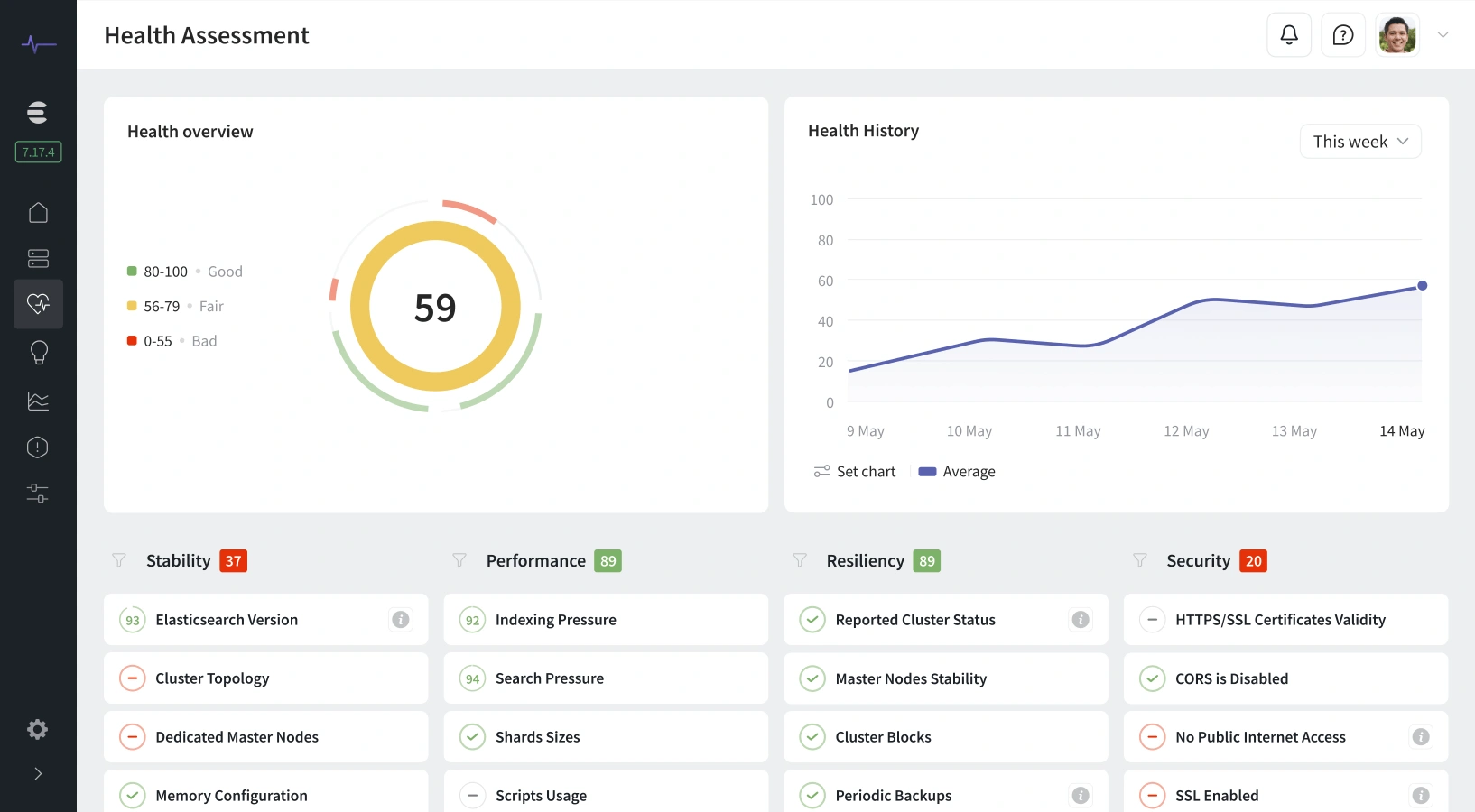
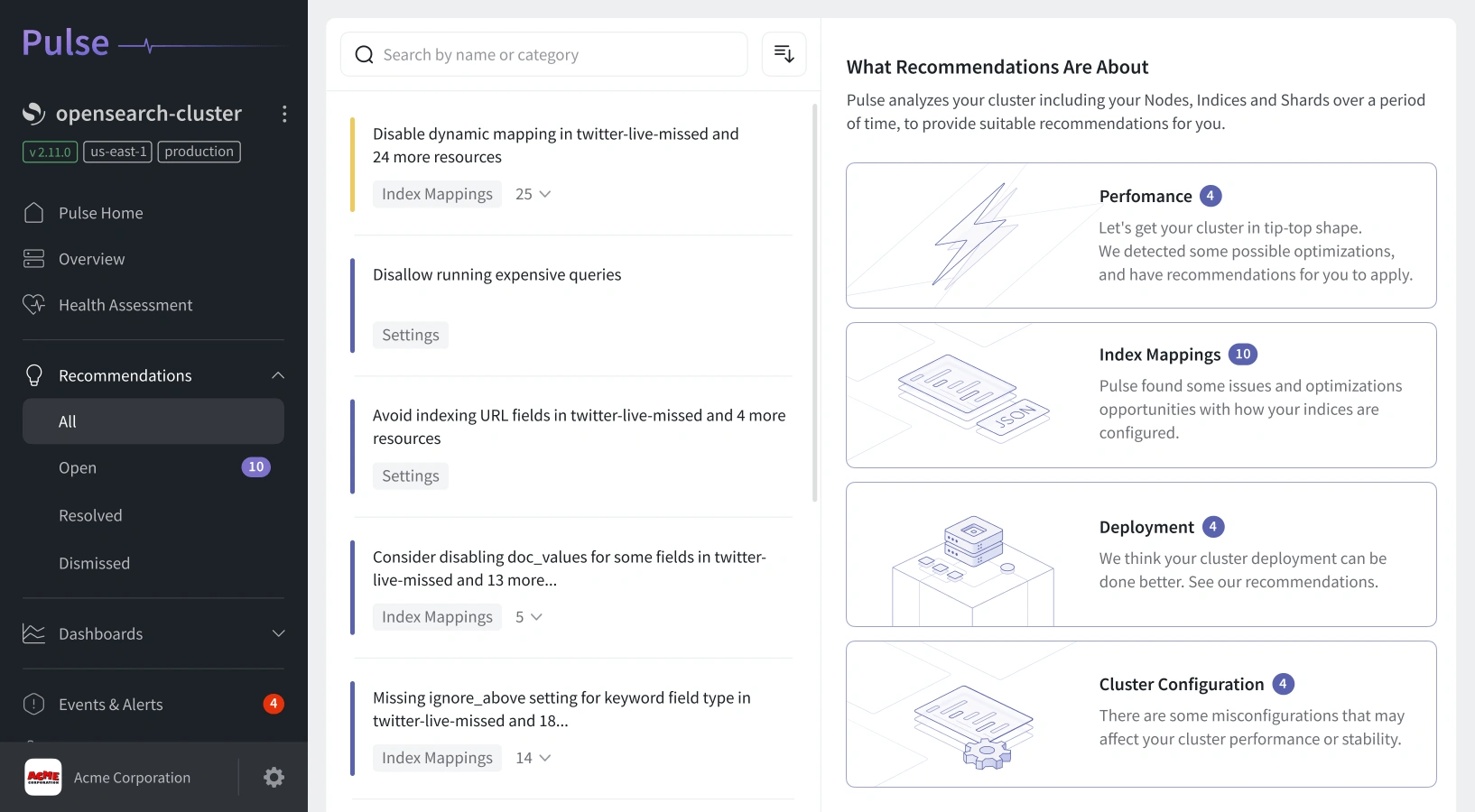
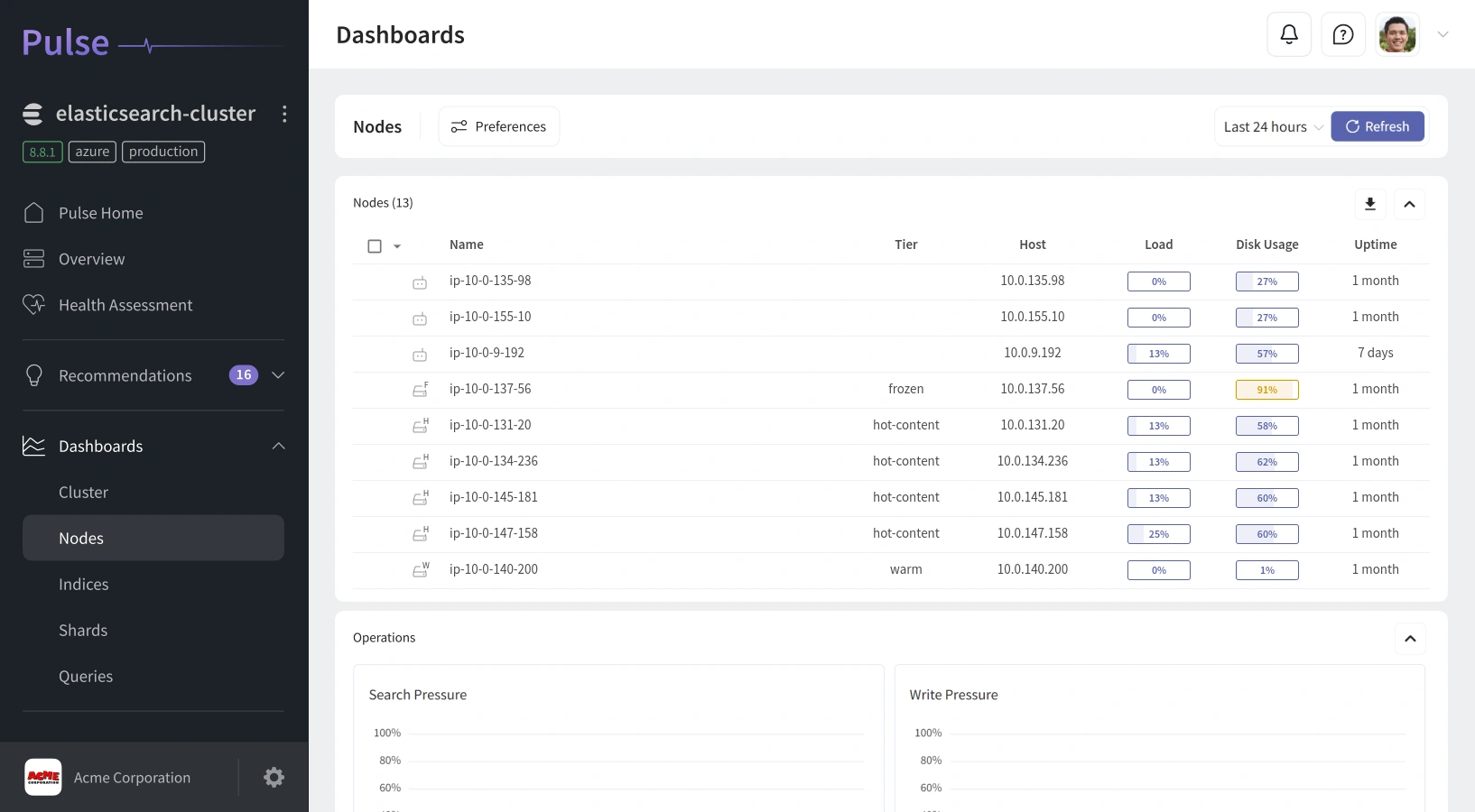
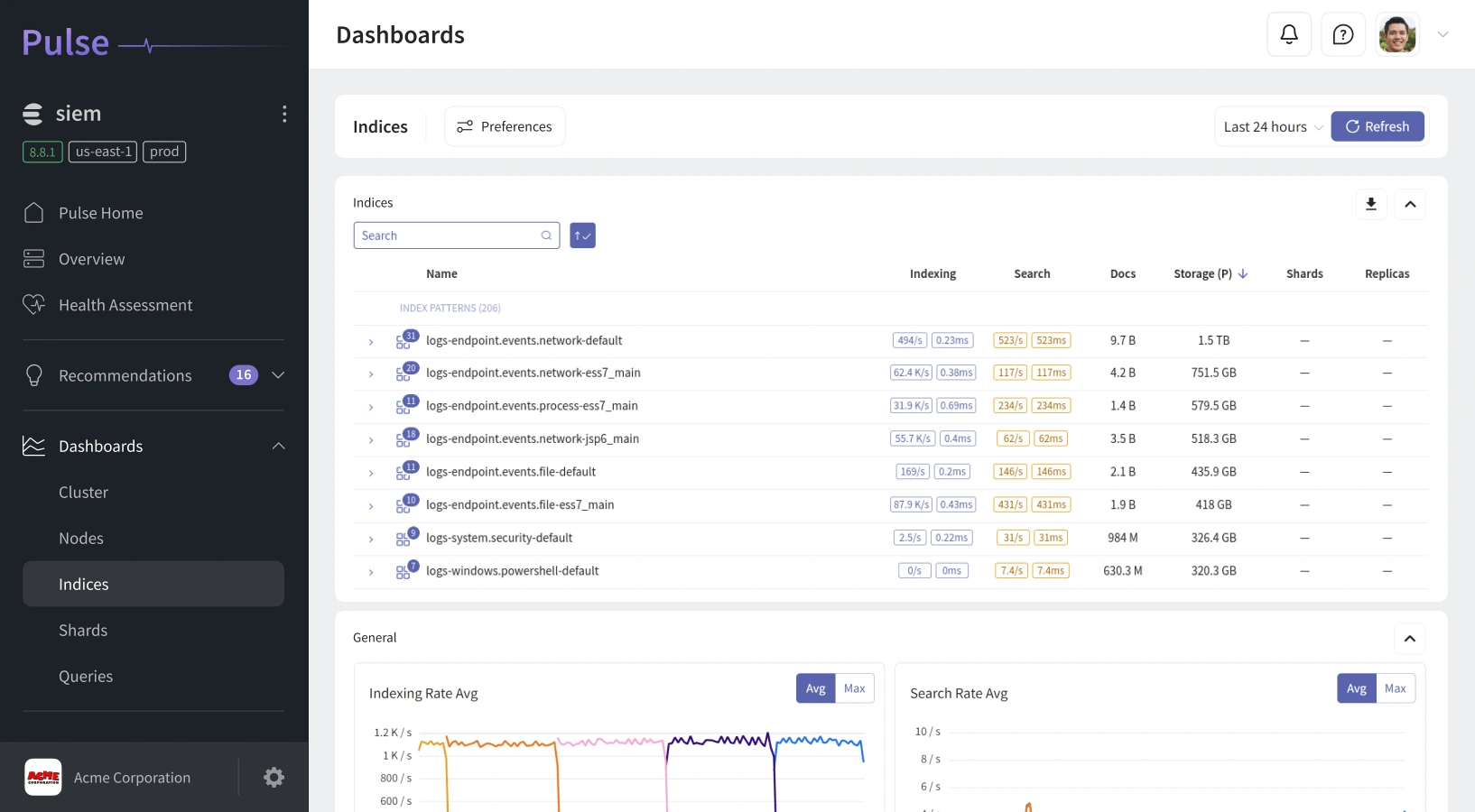
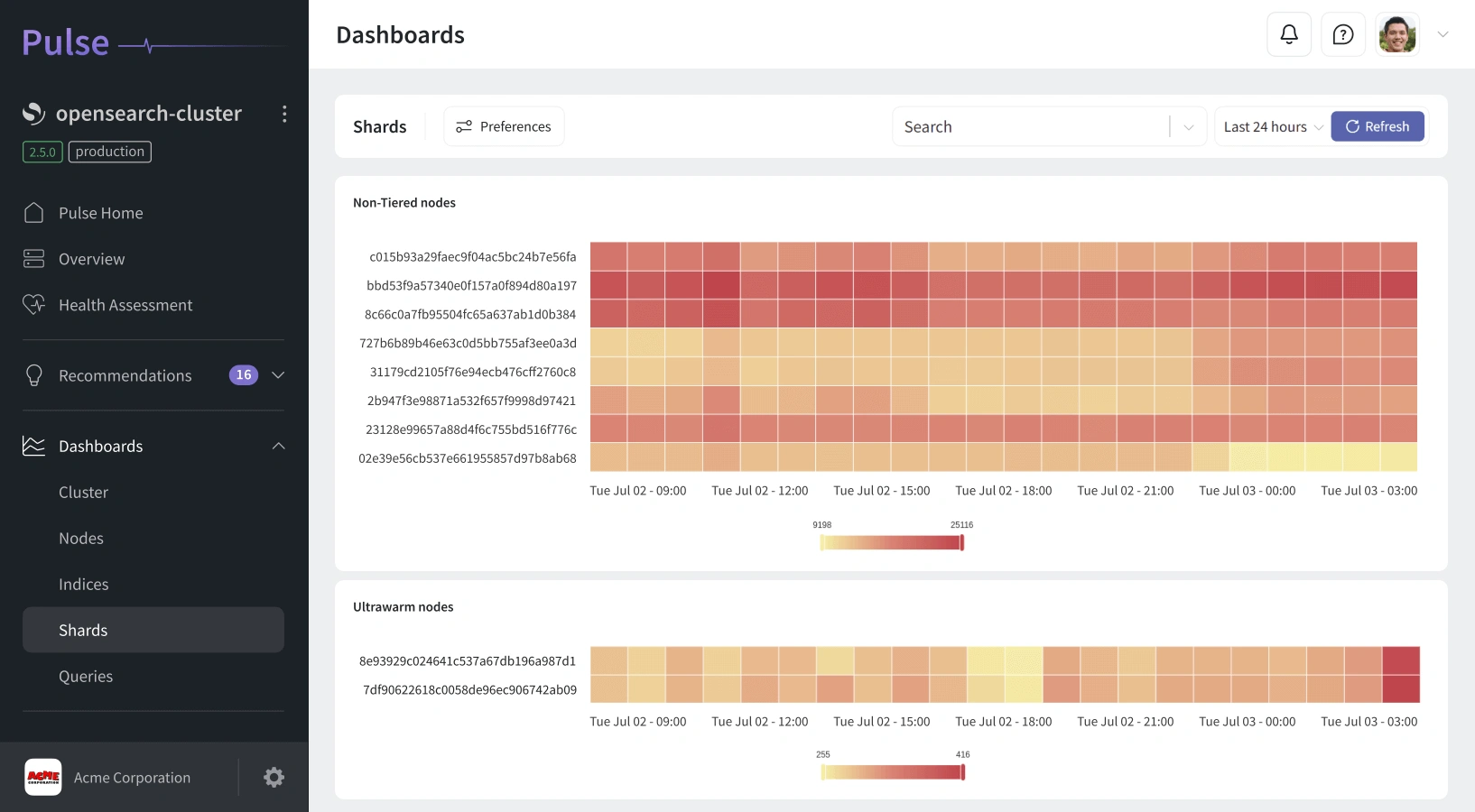
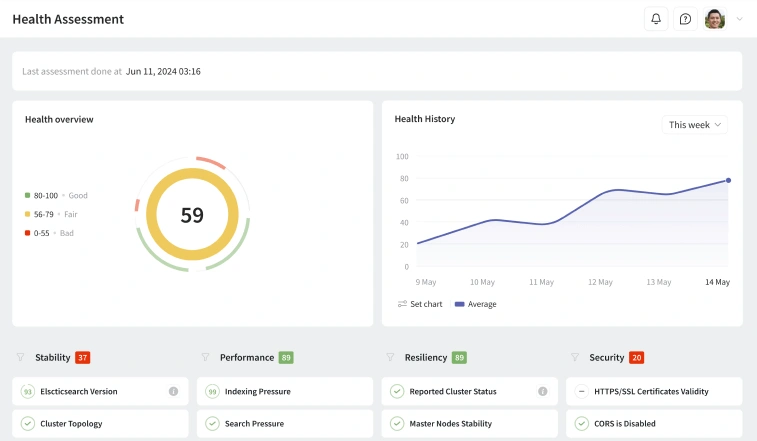
 Proactive maintenance and health assessments: Pulse analyzes every table, every merge, every part-count trend, and every access entity on your cluster, with prioritized recommendations on oversharded tables, missing TTLs, stale retention, RBAC drift, and shard-size health, all specific to ClickHouse rather than generic database checks.
 -
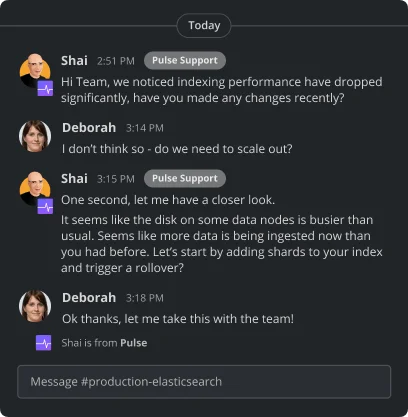
 AI SRE plus human experts, 24/7: The platform surfaces issues automatically. Behind it, Pulse engineers who have run ClickHouse in production at scale are on call around the clock to validate recommendations, take incident calls, and pair on tricky upgrades and migrations.
 -
 Secure and non-intrusive: The low-signature Pulse agent runs in your environment and reads only the metrics it needs. Your data never leaves your perimeter, and Pulse is SOC 2 Type II certified.
Moving off Altinity
A short, well-trodden path to upstream
- 1. Stand up upstream ClickHouse in your cloud. On Kubernetes (the open-source Altinity operator works great here too), on EC2/GCE with Terraform, or on bare metal. Pulse engineers can validate the topology before you cut over.
-
2. Move your data.
clickhouse-copier, nativeremote()table functions, or per-partitionINSERT SELECTare the right tools. The on-disk format is identical, so most teams move without surprises. - 3. Recreate users, roles, and row policies. Certified builds use upstream ClickHouse RBAC. CREATE USER, CREATE ROLE, and GRANT all work the same way.
- 4. Connect Pulse. Read-only credentials and a network path. Pulse begins surfacing recommendations within minutes.
- 5. Cut over. Flip producers, validate query results, and decommission the old cluster on your schedule.
Common questions about leaving Altinity
Do I have to run a certified build with Pulse?
No. Pulse supports pure upstream open-source ClickHouse, the exact binaries the community ships. You stay current with upstream and adopt new versions on your own schedule, while Pulse provides the operational safety net.
Is it safe to run upstream ClickHouse in production without a certified build?
With proactive monitoring and expert support, yes. The reasons teams reach for a certified build, someone watching merges, parts, replication, and storage policies, are exactly what Pulse covers, plus 24/7 access to engineers who run ClickHouse at scale.
Can Pulse help me migrate off Altinity.Cloud or Altinity Stable Builds?
Yes. Because everything is upstream ClickHouse underneath, the migration is straightforward: stand up an upstream cluster in your own cloud, move data with native tooling, recreate RBAC, and connect Pulse. Our engineers can pair on the cutover.
Where does my data live?
In your own cloud account or data center. The Pulse agent reads only the metrics it needs and never receives your data, and Pulse is SOC 2 Type II certified.